The betrayal of a nation begins when its custodians become its executioners.
As we look upon the modern landscape of Liberia, a terrifying question demands an answer: Are we truly the guardians of our land, or have we become accomplices in its destruction?
Today, a synthetic drug crisis commonly associated with kush is devastating communities and threatening the lives and futures of Liberian youth. By allowing the sale and distribution of dangerous drugs, and by remaining silent while the trade flourishes, elders, leaders, and ordinary citizens risk violating the sacred covenant of stewardship. We are, in effect, selling our country’s future for short-term profit.
Across Monrovia and other parts of Liberia, the devastating effects of drug abuse are increasingly visible. Kush is often described as a highly dangerous and unpredictable substance, with formulations that can vary and may contain harmful chemicals. Its consequences can extend far beyond temporary intoxication: addiction can damage physical and mental health, disrupt families, undermine education, and destroy livelihoods.
This crisis strikes directly at the heart of Liberia’s national development.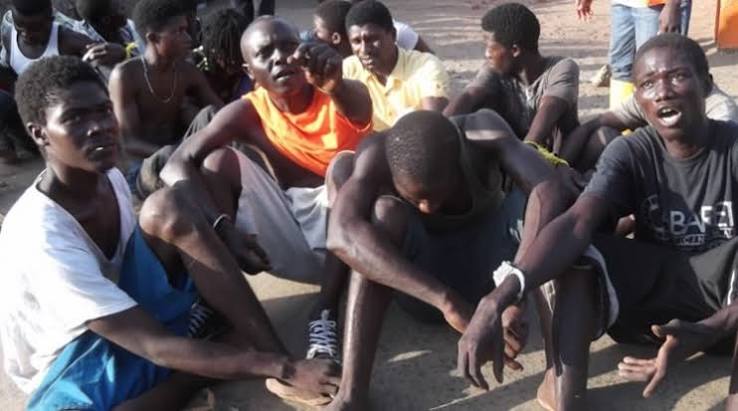
1.Stolen Futures
Thousands of young Liberians—the very people who should be rebuilding our economy, strengthening our institutions, and creating opportunities for future generations—are being caught in the grip of addiction.
Drug dependence can rob young people of their health, education, productivity, and dignity. Every young person lost to addiction represents not only a personal tragedy but also a loss to the nation.
2. Economic Ruin
A nation cannot prosper when a significant portion of its potential workforce is being undermined by substance abuse.
Addiction can keep young people away from school, vocational training, and stable employment. It can place enormous financial and emotional burdens on families while perpetuating a cycle of poverty that can extend from one generation to the next.
3. Broken Trust
In many African communities, elders and leaders are regarded as custodians of the community and protectors of the next generation.
What, then, does it say about us when dangerous drugs can be sold openly to young people? What does it say when those who profit from this trade operate with little fear of consequences? And what does it say when communities know what is happening but remain silent?
The crisis is therefore not only about drugs. It is also a crisis of responsibility.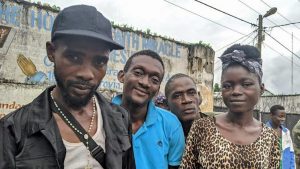
Mapping the Guilt: Who Bears the Blame?
The growth of Liberia’s drug crisis should not be dismissed as an unavoidable accident of fate. It reflects a combination of criminal exploitation, institutional weaknesses, and community failures.
First are the greedy dealers and drug traffickers who place profit above human life. They see vulnerable young people not as sons, daughters, brothers, and sisters, but as customers.
Second are weak enforcement and failures within the justice system. When traffickers believe they can evade arrest, manipulate the system, or escape meaningful punishment, the law loses its deterrent power. Law-enforcement agencies must therefore be adequately resourced, professionally managed, and held accountable.
Third is community silence. Fear, stigma, and indifference can allow drug markets to flourish. When neighbors are afraid to speak, families are ashamed to seek help, and communities refuse to confront dealers, the perpetrators gain strength.
Silence is not neutrality when lives are at stake.
Reclaiming Our Sacred Role as Custodians
Liberia cannot defeat this crisis through rhetoric alone. We need a coordinated national response built on enforcement, rehabilitation, prevention, and community action.
1. Ruthless Enforcement Against Traffickers
Law-enforcement efforts should focus not merely on street-level users but on the people who finance, import, manufacture, distribute, and profit from the drug trade.
Major traffickers should face serious consequences under Liberian law. At the same time, law-enforcement institutions—including the Liberia Drug Enforcement Agency (LDEA)—must be strengthened and held to the highest standards of integrity. Corruption must be investigated and prosecuted wherever it occurs.
The objective should be clear: protect the public by dismantling the networks that profit from addiction.
2. Comprehensive Rehabilitation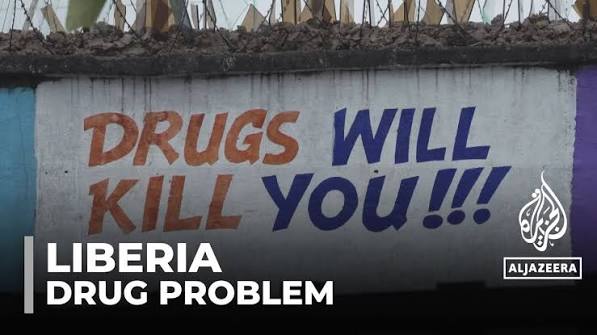
Young people suffering from addiction should not be viewed solely through the lens of criminality. Many are also victims of a devastating public-health crisis.
Liberia urgently needs accessible and affordable treatment and recovery programs that combine medical care, mental-health services, counseling, education, and vocational training. Recovery should not end when a person stops using drugs. Former users must have pathways back into school, employment, family life, and productive citizenship.
3. Community Mobilization
The fight against drug abuse cannot be left to government alone.
Communities must break the silence. Parents, teachers, religious leaders, traditional leaders, youth organizations, civil society, and local authorities must work together to identify risks, educate young people, support families, and report drug trafficking.
Those who report serious criminal activity should be protected from retaliation. At the same time, communities must reject the normalization of drug dealing in their neighborhoods.
Most importantly, the shame must belong to those who exploit vulnerable people for profit—not to those struggling to recover from addiction.
The Choice Before Us
Liberia stands at a critical crossroads.
We can continue to watch as dangerous drugs destroy young lives, families, and communities, or we can accept our responsibility as custodians of the nation and act.
True custodians do not sacrifice their children for profit.
True leaders do not look away when a generation is being destroyed.
And true citizens do not remain silent when the future of their country is at stake.
If we are to honor the ancestors who preserved this land and protect the generations yet unborn, Liberia must confront the drug crisis with courage, compassion, accountability, and determination. Our youth are not disposable. They are Liberia’s future.
The time has come to reclaim our sacred responsibility as custodians of that future.
Poem: The True Wealth of Our Soil
The wealth of our nation does not rest in the deep,
Where the gold and the diamonds in darkness still sleep.
It is not in the timber, the rubber, or iron ore,
But in the young feet walking onto our shore.
Our youth are not disposable, trash to discard,
When the system is broken and living is hard.
They are not a lost generation to pass by or blame,
While we build up our walls and ignore all their pain.
They are the pillars, the blueprint, the seed,
The answer to everything Liberia will need.
Look into their eyes—see the promise, the drive,
The brilliance waiting to wake and thrive.
Every girl with a book, every boy with a tool,
Belongs in a clinic, a workshop, a school.
For to throw them away is to tear down our home,
And leave our sweet country to wither alone.
Let us invest in their minds, let us clear out the way,
For the children of today are our future leaders tomorrow.
They are Liberia’s future, the strength of our land,
And the fate of tomorrow is right in their hands.
My fellow Liberians: Are we Truly The Custodians of Our Nation?
The Author: Edmund Zar-Zar Bargblor

MR. Edmund Zar-Zar Bargblor is a distinguished Liberian educator, author, and public servant known for his work in mathematics education and his writings on African governance and social issues. Awards and Recognition: In March 2025, he received the West Africa Intellectuals Award from the West Africa Intellectual Organization (WAIO) in Accra, Ghana, for his articles on African governance, corruption, and economic development. He is a former Deputy Managing Director of the National Port Authority of Liberia.

Spread the loveOf all the updates that have been given…

Are We Really the Custodians of Our Nation When We Sell Dangerous Drugs to Liberian Youth? (A Perspective) By Edmund Zar-Zar Bargblor
In Breaking News, African, CommentaryThe betrayal of a nation begins when its custodians become its executioners.
As we look upon the modern landscape of Liberia, a terrifying question demands an answer: Are we truly the guardians of our land, or have we become accomplices in its destruction?
Today, a synthetic drug crisis commonly associated with kush is devastating communities and threatening the lives and futures of Liberian youth. By allowing the sale and distribution of dangerous drugs, and by remaining silent while the trade flourishes, elders, leaders, and ordinary citizens risk violating the sacred covenant of stewardship. We are, in effect, selling our country’s future for short-term profit.
Across Monrovia and other parts of Liberia, the devastating effects of drug abuse are increasingly visible. Kush is often described as a highly dangerous and unpredictable substance, with formulations that can vary and may contain harmful chemicals. Its consequences can extend far beyond temporary intoxication: addiction can damage physical and mental health, disrupt families, undermine education, and destroy livelihoods.
This crisis strikes directly at the heart of Liberia’s national development.
1.Stolen Futures
Thousands of young Liberians—the very people who should be rebuilding our economy, strengthening our institutions, and creating opportunities for future generations—are being caught in the grip of addiction.
Drug dependence can rob young people of their health, education, productivity, and dignity. Every young person lost to addiction represents not only a personal tragedy but also a loss to the nation.
2. Economic Ruin
A nation cannot prosper when a significant portion of its potential workforce is being undermined by substance abuse.
Addiction can keep young people away from school, vocational training, and stable employment. It can place enormous financial and emotional burdens on families while perpetuating a cycle of poverty that can extend from one generation to the next.
3. Broken Trust
In many African communities, elders and leaders are regarded as custodians of the community and protectors of the next generation.
What, then, does it say about us when dangerous drugs can be sold openly to young people? What does it say when those who profit from this trade operate with little fear of consequences? And what does it say when communities know what is happening but remain silent?
The crisis is therefore not only about drugs. It is also a crisis of responsibility.
Mapping the Guilt: Who Bears the Blame?
The growth of Liberia’s drug crisis should not be dismissed as an unavoidable accident of fate. It reflects a combination of criminal exploitation, institutional weaknesses, and community failures.
First are the greedy dealers and drug traffickers who place profit above human life. They see vulnerable young people not as sons, daughters, brothers, and sisters, but as customers.
Second are weak enforcement and failures within the justice system. When traffickers believe they can evade arrest, manipulate the system, or escape meaningful punishment, the law loses its deterrent power. Law-enforcement agencies must therefore be adequately resourced, professionally managed, and held accountable.
Third is community silence. Fear, stigma, and indifference can allow drug markets to flourish. When neighbors are afraid to speak, families are ashamed to seek help, and communities refuse to confront dealers, the perpetrators gain strength.
Silence is not neutrality when lives are at stake.
Reclaiming Our Sacred Role as Custodians
Liberia cannot defeat this crisis through rhetoric alone. We need a coordinated national response built on enforcement, rehabilitation, prevention, and community action.
1. Ruthless Enforcement Against Traffickers
Law-enforcement efforts should focus not merely on street-level users but on the people who finance, import, manufacture, distribute, and profit from the drug trade.
Major traffickers should face serious consequences under Liberian law. At the same time, law-enforcement institutions—including the Liberia Drug Enforcement Agency (LDEA)—must be strengthened and held to the highest standards of integrity. Corruption must be investigated and prosecuted wherever it occurs.
The objective should be clear: protect the public by dismantling the networks that profit from addiction.
2. Comprehensive Rehabilitation
Young people suffering from addiction should not be viewed solely through the lens of criminality. Many are also victims of a devastating public-health crisis.
Liberia urgently needs accessible and affordable treatment and recovery programs that combine medical care, mental-health services, counseling, education, and vocational training. Recovery should not end when a person stops using drugs. Former users must have pathways back into school, employment, family life, and productive citizenship.
3. Community Mobilization
The fight against drug abuse cannot be left to government alone.
Communities must break the silence. Parents, teachers, religious leaders, traditional leaders, youth organizations, civil society, and local authorities must work together to identify risks, educate young people, support families, and report drug trafficking.
Those who report serious criminal activity should be protected from retaliation. At the same time, communities must reject the normalization of drug dealing in their neighborhoods.
Most importantly, the shame must belong to those who exploit vulnerable people for profit—not to those struggling to recover from addiction.
The Choice Before Us
Liberia stands at a critical crossroads.
We can continue to watch as dangerous drugs destroy young lives, families, and communities, or we can accept our responsibility as custodians of the nation and act.
True custodians do not sacrifice their children for profit.
True leaders do not look away when a generation is being destroyed.
And true citizens do not remain silent when the future of their country is at stake.
If we are to honor the ancestors who preserved this land and protect the generations yet unborn, Liberia must confront the drug crisis with courage, compassion, accountability, and determination. Our youth are not disposable. They are Liberia’s future.
The time has come to reclaim our sacred responsibility as custodians of that future.
Poem: The True Wealth of Our Soil
The wealth of our nation does not rest in the deep,
Where the gold and the diamonds in darkness still sleep.
It is not in the timber, the rubber, or iron ore,
But in the young feet walking onto our shore.
Our youth are not disposable, trash to discard,
When the system is broken and living is hard.
They are not a lost generation to pass by or blame,
While we build up our walls and ignore all their pain.
They are the pillars, the blueprint, the seed,
The answer to everything Liberia will need.
Look into their eyes—see the promise, the drive,
The brilliance waiting to wake and thrive.
Every girl with a book, every boy with a tool,
Belongs in a clinic, a workshop, a school.
For to throw them away is to tear down our home,
And leave our sweet country to wither alone.
Let us invest in their minds, let us clear out the way,
For the children of today are our future leaders tomorrow.
They are Liberia’s future, the strength of our land,
And the fate of tomorrow is right in their hands.
My fellow Liberians: Are we Truly The Custodians of Our Nation?
The Author: Edmund Zar-Zar Bargblor
MR. Edmund Zar-Zar Bargblor is a distinguished Liberian educator, author, and public servant known for his work in mathematics education and his writings on African governance and social issues. Awards and Recognition: In March 2025, he received the West Africa Intellectuals Award from the West Africa Intellectual Organization (WAIO) in Accra, Ghana, for his articles on African governance, corruption, and economic development. He is a former Deputy Managing Director of the National Port Authority of Liberia.
Amala And Coronavirus Patient: Matters Arising – Reuben Abati
Spread the loveOf all the updates that have been given…
Edmund Zar-Zar Bargblor
Mr. Edmund Zar-Zar Bargblor is an Educator. He is a graduate of Cuttington University, Liberia; Howard University Washington, D.C, and Israel Institute of Technology, Haifa, Israel. He is a former Deputy Managing Director of the National Port Authority of Liberia, NPA. He can be contacted at: edmundbargblor@gmail.com
You may also read!
The Cornerstone of Recovery: Is Vocational Training the Key to Liberia’s Future? ( A Perspective) By Edmund Zar-Zar Bargblor
Spread the love For decades, Liberia’s economic narrative has been a paradox of rich natural resources shadowed by deep
Read More...The Ripple Effects of Jewel Howard-Taylor’s Charges: What Does It Mean for Young Girls in Liberia?
Spread the loveOne of the distinctive attributes of the African woman has traditionally been her role as an educator.
Read More...Unlawful Killing Of Gen. Vatsa By Gen. Babangida — Femi Falana SAN
Spread the loveFollowing the palace coup d’état that sacked the Mohammmadu Buhari military junta in August 1985, his successor,
Read More...