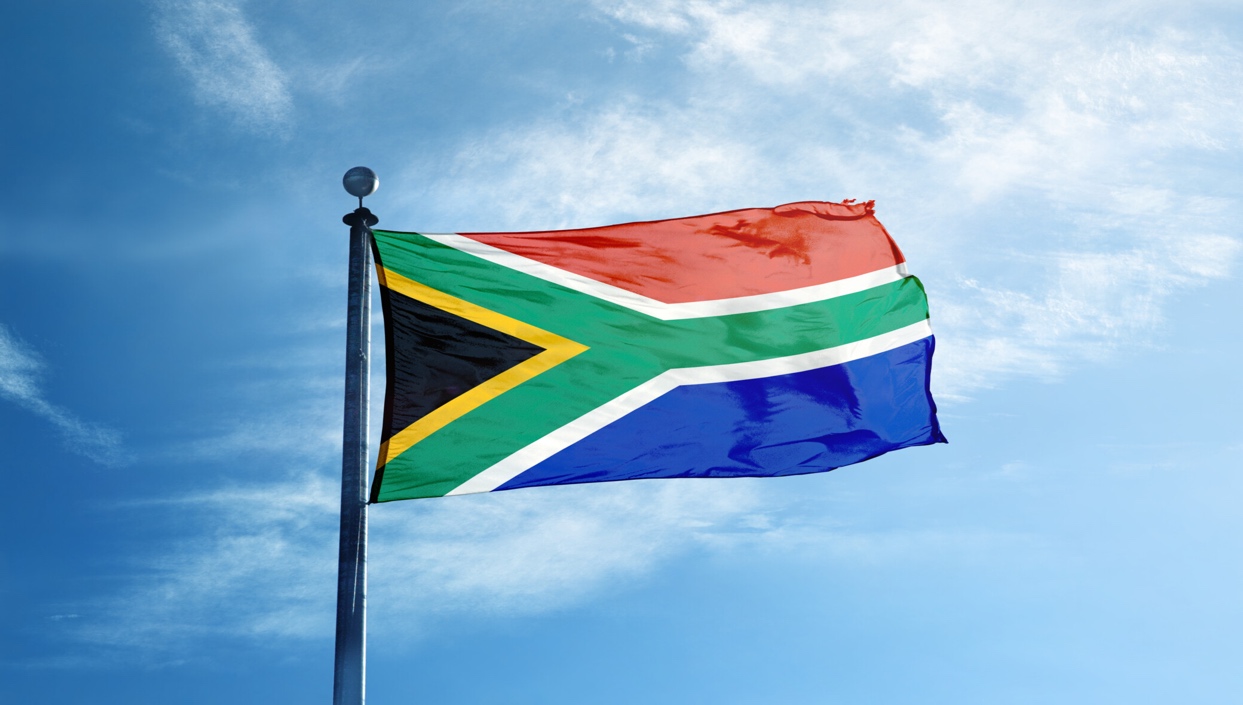

During the apartheid era, millions of Black South Africans fled into exile or sought refuge in neighboring countries such as Zimbabwe, Zambia, Tanzania, Mozambique, and Nigeria. These nations provided safe havens, training, and critical support for the liberation struggle.

These countries offered various forms of assistance:
- Zambia: Served as the primary political base of the African National Congress (ANC). Lusaka hosted the ANC’s headquarters for decades and became the central hub for its exiled leadership and political activists.
- Tanzania: Under President Julius Nyerere, Tanzania provided sanctuary to thousands of ANC exiles. The country hosted major camps for the ANC’s armed wing, Umkhonto we Sizwe, facilitating crucial military training.
- Angola and Mozambique: Together with Zambia and Zimbabwe, these countries formed the “Frontline States.” They hosted essential training camps and forward operating bases that supported the armed struggle against apartheid.
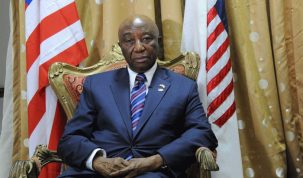
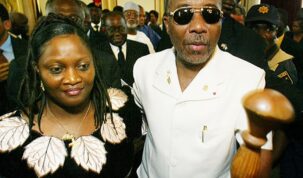
Even Liberia contributed significantly to the anti-apartheid struggle through international litigation, financial support for liberation movements, and diplomatic leadership.

In 1960, Liberia, along with Ethiopia, filed a historic lawsuit against South Africa at the International Court of Justice (ICJ), challenging its administration of South West Africa (now Namibia). The case argued that South Africa was violating the mandate originally established under the League of Nations by imposing apartheid laws in the territory. Although the ICJ ultimately dismissed the case on procedural grounds in 1966, it helped sustain international pressure against South Africa’s racial policies.
Recent attacks on foreign-owned shops and businesses in some South African communities raise troubling questions. To what extent can South Africa’s inconsistent immigration policies be blamed for xenophobia? Do foreigners truly “steal” South African jobs? Do foreign-owned small businesses possess unfair advantages over those owned by South Africans? Are African nationals residing in South Africa being targeted for reasons unrelated to the country’s economic challenges? Are the killings of fellow Africans—particularly Nigerians—part of an effort by unknown forces to create tension between Nigeria and South Africa?
The killings of fellow Africans, especially Nigerian nationals, are deeply troubling.
Nigeria, as both a people and a nation, has played a major role in African liberation. For decades, Nigerians committed substantial resources to supporting other African countries in their struggles against colonial rule. The ANC, in particular, was among the principal beneficiaries of Nigeria’s generosity.
Nigeria’s commitment to Africa’s liberation became especially evident in 1975 when General Murtala Mohammed strongly supported the Movimento Popular de Libertação de Angola (MPLA) during Angola’s struggle for independence. Nigeria provided the decisive support that helped secure the Organization of African Unity’s recognition of the MPLA government. Nigeria also played an important role in Zimbabwe’s independence and, during the late 1980s, actively supported Namibia’s quest for self-determination.
Nigeria contributed financially to liberation movements in South Africa and to frontline states such as Zambia, Tanzania, Mozambique, and Zimbabwe, which frequently faced destabilization efforts and military aggression from the apartheid regime.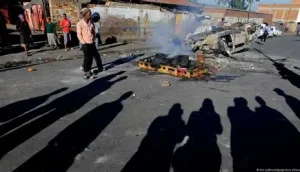
Although threats of direct military intervention were never carried out, Nigeria provided both financial and military assistance to the ANC in its struggle against apartheid. It also supplied military equipment to Mozambique to support its fight against South African-backed insurgent forces.
In addition, Nigeria extended aid and technical assistance to several African countries, often through the African Development Bank, of which it was a major contributor. In 1987, Nigeria established the Technical Aid Corps, modeled after the United States Peace Corps. Through this initiative, young Nigerian professionals served in African, Caribbean, and Pacific countries where their expertise was needed. Nigeria also provided scholarships, fellowships, training opportunities, grants, equipment, medical supplies, and subsidized oil during the oil crises of the 1970s.
The attacks against other Africans, especially Nigerian-owned businesses in South Africa, have persisted for far too long. It is time for these acts of violence to end. Without question, the South African government possesses both the capacity and the responsibility to identify and bring to justice those responsible for xenophobic attacks and violence.
Such actions have the potential to undermine the goals and objectives of the African Union and weaken the spirit of African solidarity that has long united the continent.
Perhaps the African Union should revisit and strengthen its policies, particularly those relating to the protection of human rights and the safety of Africans living and working in other African countries.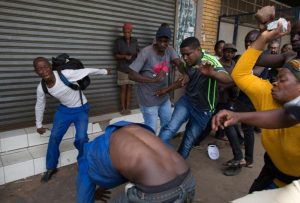
It is hoped that the South African government will take all necessary measures to end xenophobic attacks and violence against fellow Africans residing within its borders. As Africans, we should reflect upon the words of the African Union Anthem and ensure that its ideals are reflected not only in our thoughts but also in our actions.
About the Author
Mr. Edmund Zar-Zar Bargblor is an educator and a graduate of Cuttington University in Liberia, Howard University in the United States, and the Israel Institute of Technology. He is a former Deputy Managing Director of the National Port Authority of Liberia. He can be reached at EdmundBargblor@gmail.com.