The Ripple Effects of Jewel Howard-Taylor’s Charges: What Does It Mean for Young Girls in Liberia?
One of the distinctive attributes of the African woman has traditionally been her role as an educator. Education entails not only the teaching of academic knowledge, but also the transmission of human and cultural values. As mothers and educators, women have historically guided their sons and daughters toward responsible and productive lives. Genuine education involves the shaping of character, often through the example of the educator.
This challenging dimension of the African woman’s role requires that she strive to live a life worthy of imitation. In many African traditions, women are among the first educators of children—the first to teach, guide, nurture and shape their understanding of right and wrong. This role also helps explain the extraordinary lengths to which African women may go to protect their families and sustain them through periods of crisis.
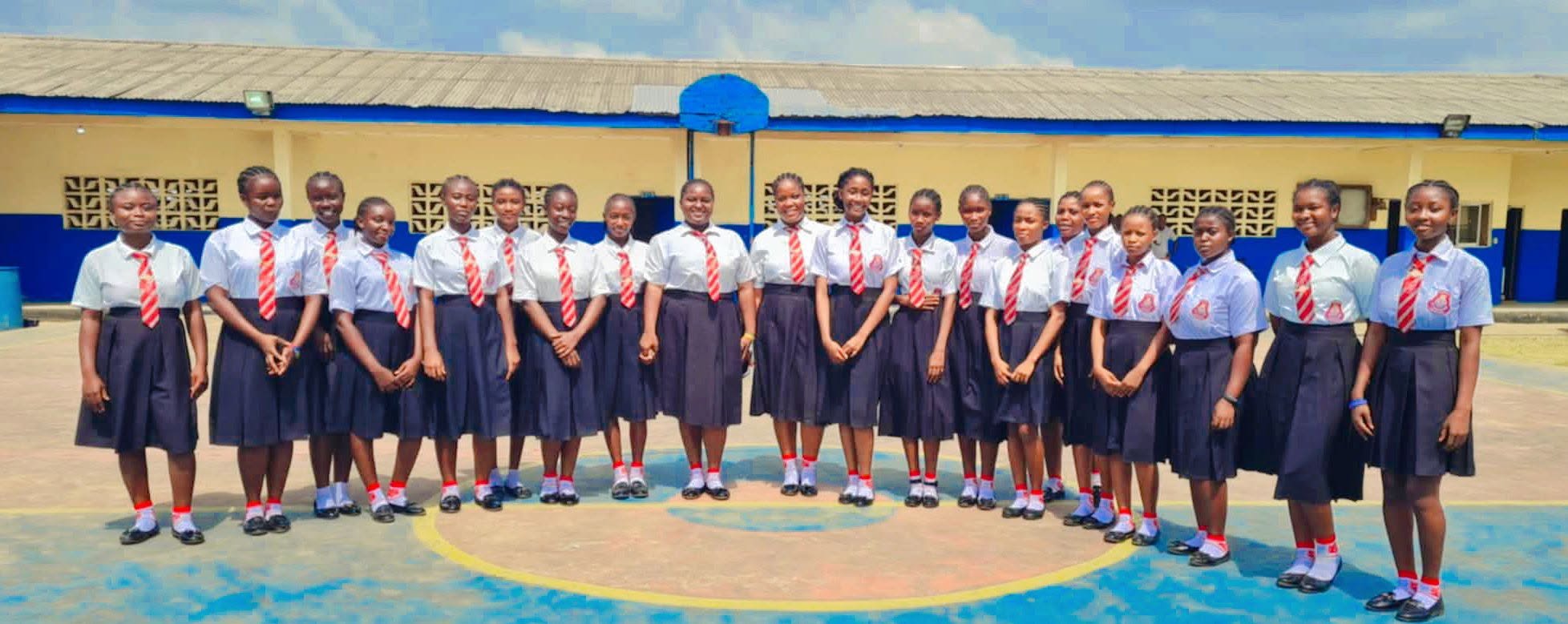

African women have therefore played a critical role in society, even while frequently being excluded from formal centers of power. When women enter political life, they may encounter systems in which access to authority is influenced by patronage, political connections and obligations. Yet outside the political arena, African women have continued to demonstrate their strength through the roles of mother, spouse, educator, entrepreneur, community builder and peacekeeper.
Through these roles, women exercise a profound responsibility: protecting life, preserving dignity and helping to shape the next generation.
It is precisely because women have such influence on the values of the next generation that the current controversy surrounding former Liberian Vice President Jewel Howard-Taylor deserves to be examined from a perspective beyond politics.
If African women are traditionally regarded as the first educators of their children, then the conduct of women who occupy highly visible public positions inevitably becomes part of the education that young girls receive about leadership.
On August 19, 2026, Howard-Taylor was formally charged by Liberian authorities in connection with an alleged transnational narcotics investigation. The charges reportedly include drug trafficking, money laundering, criminal conspiracy and offenses involving controlled substances. Howard-Taylor has denied wrongdoing, and the allegations remain allegations. She is entitled to due process and the presumption of innocence unless and until proven guilty in a court of law.
Her lawyer has indicated that the defense will proceed once the formal charges and supporting materials are fully available.
Those legal proceedings will determine the facts of the case.
But there is another question that deserves our attention:
What does this moment mean for Liberia’s young girls?
For many Liberian girls, political leaders are more than names in newspapers. They represent possibilities. They are examples of what a girl might one day become.
Howard-Taylor’s rise to the vice presidency represented a significant moment in Liberia’s political history and in the visibility of women in national leadership. Her subsequent legal troubles therefore have the potential to create complicated emotions among young girls who may have viewed a woman reaching one of the highest offices in the country as evidence that their own dreams were possible.
That is where the responsibility of parents, educators, community leaders and the media become especially important.
A young person may not always understand the difference between an allegation, a criminal charge and a conviction. But that distinction matters enormously.
At the same time, teaching young people about due process should never mean teaching them to ignore allegations of serious wrongdoing. When accusations involving public officials arise, they must be investigated fairly, independently and seriously.
The lesson for young girls should therefore not be that women who seek power are destined to fail.
The lesson should be that leadership is an opportunity—and a responsibility.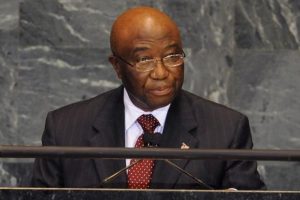

Women’s Leadership Must Not Be Defined by One Woman’s Allegations
Liberia has a remarkable history of women contributing to national development, peacebuilding, diplomacy, education, business and public service.
The election of Ellen Johnson Sirleaf as Africa’s first democratically elected female president was a historic achievement that demonstrated to Liberian girls and women that the highest political offices in the nation were not beyond their reach.
Long before that, Angie Brooks made history as the first Black woman to serve as President of the United Nations General Assembly.
Today, Liberian women continue to serve in important positions across government, the legislature, the judiciary, civil society, business and local communities.
This legacy matters.
The allegations against one prominent female political figure must not become a judgment against women as a whole, nor should they reinforce the damaging stereotype that women who seek political power are somehow less deserving of public trust.
Women should not have to carry the burden of proving that the misconduct alleged against one woman does not represent all women.
At the same time, neither gender should receive immunity from accountability.
The standard must be the same:
Power should never place anyone above the law.
What Should Young Girls Learn From This Moment?
The current controversy can become an opportunity for civic education. Young Liberians should learn how democratic institutions are supposed to function. They should understand why public officials must be accountable, why accusations require investigation, why defendants are entitled to due process, and why a functioning justice system must be independent of political pressure.
They should also learn how to distinguish facts from rumors, evidence from speculation, and responsible journalism from political propaganda.
Most importantly, young women should understand that they can participate in politics without surrendering their integrity.
They can aspire to become presidents, vice presidents, senators, representatives, ministers, judges, diplomats, entrepreneurs, educators and community leaders.
But ambition alone is not enough.
Leadership requires character.
It requires honesty when dishonesty may be easier. It requires courage when speaking the truth may be costly. It requires accountability when admitting wrongdoing may be painful. And it requires the discipline to understand that public office is a public trust—not a personal possession.
The Broader Threat to Liberia’s Youth
The Howard-Taylor case also brings attention to a much broader challenge confronting Liberia and West Africa: the threat posed by transnational drug trafficking and organized criminal networks.
Regardless of the ultimate outcome of the case against Howard-Taylor, Liberia must take seriously the dangers associated with the expansion of international narcotics networks.
The consequences extend far beyond the use of drugs.
Organized criminal networks can exploit economically vulnerable communities, encourage violence, undermine institutions, create dependency and recruit young people into criminal activity. Girls can be particularly vulnerable to exploitation, trafficking and abuse in environments where criminal networks gain influence.
That means Liberia’s response cannot stop with arrests and prosecutions.
Prevention must be equally important.
Young people need education, opportunity, mentorship and safe communities. They need to understand the dangers of criminal exploitation and to recognize how organized networks can manipulate economic hardship and youthful vulnerability.
For girls in particular, education must include not only academic achievement but also confidence, civic awareness, financial literacy, critical thinking and an understanding of their rights.
Do Not Let Political Scandal Destroy Young Women’s Dreams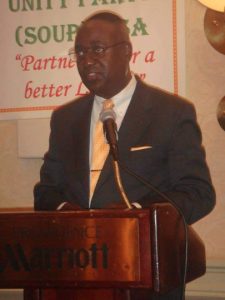

Perhaps the greatest danger is not what young girls will think about one political figure.
It is what they might conclude about themselves.
If this story is presented simply as another example of a powerful woman falling from grace, some girls may internalize the message that women in leadership are destined to disappoint.
That would be the wrong lesson.
Instead, Liberia should use this moment to teach a more constructive lesson:
Women can lead. Women can achieve. And women must also be accountable.
The pursuit of equality does not mean lowering standards for women. It means giving women equal opportunities while holding them to the same ethical and legal standards as everyone else.
Young girls should never be taught that their gender makes them incapable of leadership.
Nor should they be taught that obtaining power is the ultimate measure of success.
They should be taught that how they use power is what defines their leadership.
What Kind of Leaders Will Liberia’s Girls Become?
The significance of the Howard-Taylor case will ultimately extend beyond the courtroom and beyond the political fate of one individual.
If Liberia’s justice system conducts a transparent, impartial and credible process, the case could reinforce the principle that no individual—regardless of political position, gender, wealth or connections—is above the law.
If political divisions overwhelm the legal process, however, the controversy could deepen public distrust and further weaken confidence in government institutions.
But perhaps the most important consequence will be measured years from now.
It will be measured by what today’s young girls learn from this moment.
Will they become cynical about public service?
Will they conclude that political power inevitably comes with corruption and compromise?
Or will they learn to demand something better?
Liberian women are among the nation’s greatest assets and vital drivers of its social, political and economic development. Their history demonstrates that women can break barriers, build institutions, negotiate peace, educate communities and lead nations.
The answer, therefore, should be clear:
Liberia’s girls must continue to believe that they can lead.
They should dream of becoming presidents, vice presidents, legislators, judges, diplomats, entrepreneurs, educators and community leaders.
But they should also understand that leadership is not simply about reaching the highest office.
It is about earning and keeping the public’s trust.
Young girls should not have to choose between ambition and integrity. Liberia needs both.
The appropriate lesson from the present crisis is not that women should stay away from politics. It is that women—and men—who seek public office must understand that power comes with responsibility, accountability and consequences.
Whatever the ultimate outcome of the case against Jewel Howard-Taylor, Liberia has an opportunity to use this difficult moment to teach its daughters something enduring: Your future is not defined by the allegations, failures or controversies surrounding today’s leaders. Your future is defined by the choices you make, the character you build and the kind of leader you choose to become.
The young girls watching Liberia today are indeed tomorrow’s leaders.
And what they learn from this moment may ultimately be more important than the political fate of any single individual.
The Author: Edmund Zar-Zar Bargblor


Mr. Edmund Zar-Zar Bargblor is a Liberian educator, author, and community leader known for his writings on African governance, education reform, and social justice.
Education and Work: He has spent over 25 years working as an educator and public servant, focusing heavily on the evolution and reform of the Liberian educational system.
Writing and Essays: He is a frequent contributor of commentaries and articles addressing corruption, national reconciliation, and leadership in Liberia, published via platforms like the Liberian Observer.
Published Works: He authored the essay collection The Pen Has Power: Essays on Liberia and Africa’s Path Forward, which explores socio-political challenges and nation-building.
Awards: He was honored by the West Africa Intellectuals Award (WAIO) for his impactful writing on governance and anti-corruption efforts.
Community Leadership: Active in the diaspora, he has been involved with community organizations such as the Liberian community in Rhode and the African Catholic Community of Rhode Island.