“For the Love of Money Is the Root of All Evil” By Edmund Zar-Zar Bargblor
The King James Version (KJV) of the Bible states:
“For the love of money is the root of all evil: which while some coveted after, they have erred from the faith and pierced themselves through with many sorrows.” (1 Timothy 6:10)
The New International Version (NIV) renders the verse as:
“For the love of money is a root of all kinds of evil. Some people, eager for money, have wandered from the faith and pierced themselves with many griefs.”
Both translations emphasize an important distinction: money itself is not evil. Rather, it is the excessive love of money—greed and the relentless pursuit of wealth—that can lead individuals toward moral compromise, corruption, and destructive behavior. The verse warns that when wealth becomes a person’s highest priority, it can undermine faith, integrity, and social responsibility.
Implications for Liberian Government Officials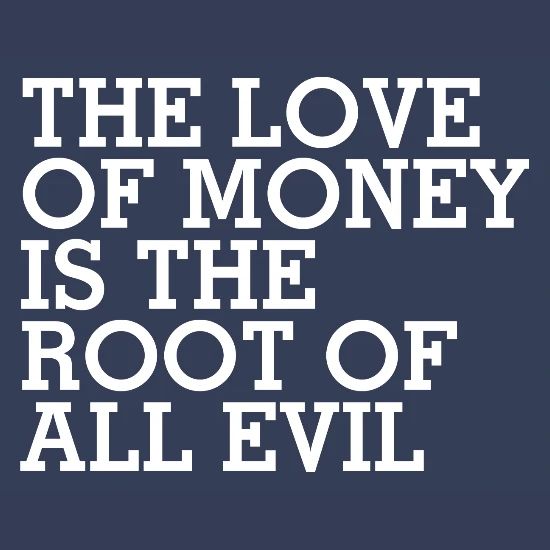

The message of 1 Timothy 6:10 is particularly relevant in light of recent reports concerning the seizure of large drug shipments at Roberts International Airport (RIA) and Liberia’s seaports.
The verse suggests that public officials who facilitate, enable, or turn a blind eye to illegal drug trafficking may be motivated by the pursuit of illicit financial gain rather than a commitment to public service and national well-being. The enormous profits generated by international drug syndicates can fuel bribery, weaken border security, and compromise the effectiveness of the justice system.
As Scripture warns, the love of money often leads to “ruin and destruction.” Drug trafficking devastates communities through addiction, crime, violence, and the erosion of social values. The passage challenges leaders to examine their motives and determine whether they are serving their nation or succumbing to the corrupting influence of “blood money.”
Liberia’s Youth: A National Asset at Risk
Liberia’s demographic profile presents both tremendous opportunity and significant risk. With a median age of approximately 19 years and more than 60 percent of the population under the age of 25, the country’s future depends heavily on the development and empowerment of its youth.
However, when opportunities for quality education, employment, and economic advancement remain limited, young people become increasingly vulnerable to exploitation, criminal activity, and social instability.
One particularly alarming challenge is the spread of cheap and dangerous synthetic drugs, including the substance commonly known as “kush.” The growing drug crisis has contributed to severe health problems, psychological disorders, addiction, and loss of life among many young Liberians.
At the same time, youth unemployment and underemployment remain widespread. Many young people struggle to acquire the education, technical skills, and economic opportunities necessary to participate fully in the formal economy. This marginalization can leave them vulnerable to manipulation by political actors and criminal networks.
In a post-conflict society, large numbers of unemployed and disillusioned youth can become a source of instability. Public demonstrations and community concerns regarding drug trafficking underscore the urgency of addressing these challenges before they escalate further.
Moving from Greed to National Development
To move a nation away from the destructive consequences of greed and toward sustainable development, governments must align public policies with the well-being of their citizens. This requires a commitment to transparency, accountability, and long-term investment in human capital.
Several strategies can help achieve this goal:
Strengthen Anti-Corruption Institutions

Transparent and independent institutions are essential to combating corruption. When financial crimes are investigated and prosecuted fairly, opportunities for bribery, embezzlement, and abuse of public office are significantly reduced.
Invest in Education and Health Care
Quality education and accessible health care are foundational to national development. By meeting citizens’ basic needs and expanding opportunities, governments can reduce the desperation and inequality that often contribute to corruption and social unrest.
Promote Fair and Effective Tax Policies
Well-designed tax systems can help reduce excessive concentrations of wealth while generating resources for infrastructure, education, health care, and social protection programs that benefit the broader population.
Measure Development Beyond GDP
National progress should be assessed not only through economic growth but also through indicators such as health, education, equality, environmental sustainability, and overall quality of life. A people-centered development model produces more inclusive and lasting results.
Encourage Corporate Social Responsibility
Businesses should be encouraged to balance profitability with social and environmental responsibility. Companies that invest in their communities and workforce contribute to sustainable economic growth and social stability.
Support Community-Based Enterprises
Cooperatives, small businesses, and locally owned enterprises help retain wealth within communities, create jobs, and promote broad-based economic participation rather than concentrating wealth in the hands of a few.
Conclusion

Liberia possesses enormous potential, particularly through its youthful population. However, realizing that potential requires strong leadership, ethical governance, and sustained investment in people rather than personal enrichment.
The biblical warning found in 1 Timothy 6:10 remains relevant today. When the pursuit of wealth overrides integrity and public responsibility, individuals and nations alike suffer the consequences. Conversely, when leaders prioritize justice, accountability, education, and opportunity, they lay the foundation for lasting prosperity and national renewal.
It is my hope that the Liberian Government, together with its international partners, will continue to pursue meaningful reforms through initiatives such as the Youth Outcome Compact, the National Cadet Program, and expanded technical and vocational education. Such efforts can help empower the next generation and secure a more prosperous future for Liberia.
THE AUTHOR:
MR. Edmund Zar-Zar Bargblor is a distinguished Liberian educator, author, and public servant known for his work in mathematics education and his writings on African governance and social issues. Awards and Recognition: In March 2025, he received the West Africa Intellectuals Award from the West Africa Intellectual Organization (WAIO) in Accra, Ghana, for his articles on African governance, corruption, and economic development. He is a former Deputy Managing Director of the National Port Authority of Liberia.